The right bucket can dramatically improve your excavation efficiency and reduce operating costs. Learn how to choose between standard, heavy-duty, and specialized buckets for maximum performance and durability.
In any excavation project, selecting the right bucket isn’t just a matter of fitting the machine—it’s a strategic decision that affects productivity, fuel consumption, and overall job site performance. Excavator buckets come in various types, each tailored to specific materials and digging conditions. Using the wrong bucket can lead to faster wear, reduced output, and unnecessary strain on your equipment. On the other hand, choosing the right one can maximize efficiency and significantly lower operating costs over time.
Standard buckets are the go-to choice for everyday digging tasks in soft to moderate soils. They’re versatile, lightweight, and ideal for general-purpose work such as trenching, backfilling, or light material handling. However, while they offer flexibility, they’re not built for tougher ground conditions or abrasive materials. Using a standard bucket in such scenarios can result in premature wear and performance issues.
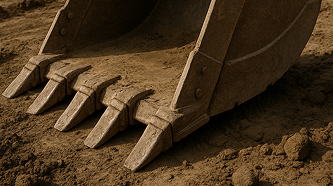
When the job involves rocky soil, compacted materials, or high-impact work, heavy-duty buckets are often the better choice. These buckets are reinforced with stronger side panels, thicker cutting edges, and wear-resistant materials. Their durability not only ensures longer service life but also allows for more aggressive digging without damaging the bucket or excavator arm. While heavier than standard options, their resilience under stress justifies the extra weight and investment, especially in challenging environments.
For highly specific jobs, specialized buckets can offer even greater performance. Trenching buckets, for example, are narrower and designed for precise excavation of pipelines or utility lines. Meanwhile, grading buckets provide wider, flatter edges for finishing and smoothing surfaces. There are also tilt and clamshell buckets designed for advanced flexibility, often used in landscaping, demolition, or dredging. These buckets can dramatically reduce the time it takes to complete precision tasks, making them valuable tools when the job requires a high degree of accuracy.
Material type, soil condition, digging depth, and machine compatibility are all important factors when selecting the appropriate bucket. Equally important is understanding how the bucket’s weight and design affect fuel efficiency and cycle time. A mismatched bucket can overload the excavator or force it to make more passes, both of which increase fuel use and wear on hydraulic systems.
Ultimately, choosing the right excavator bucket is about aligning the tool with the task. It’s not just an accessory—it’s a key component of how efficiently and effectively you move material. With the right bucket, you’ll experience smoother operation, faster cycle times, and lower overall wear on your machine, all of which contribute to better results and stronger project profitability.