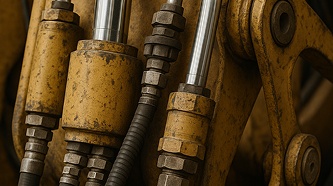
Prolong your machine’s life and reduce downtime with these essential maintenance practices.
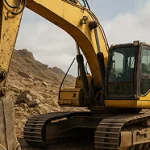
In industries where heavy equipment is a critical asset—such as construction, agriculture, and mining—proper maintenance can make the difference between ongoing productivity and costly operational setbacks. Heavy machinery is designed for tough work, but without routine care, even the most rugged equipment is susceptible to breakdowns and premature wear. Implementing the right maintenance practices not only extends the life of your machines but also significantly reduces unplanned downtime.
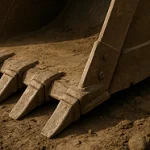
A good starting point is daily visual inspections. These help detect small problems early—like fluid leaks, loose fasteners, or worn tracks—before they escalate into major mechanical failures. Following the manufacturer’s recommended maintenance schedule is just as important. It ensures that your equipment receives timely oil changes, fluid top-ups, and system checks that keep it running at peak efficiency.
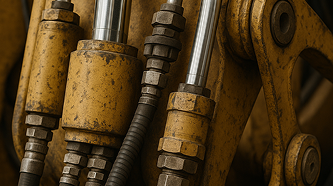
Keeping filters and fluids clean is another essential step in maintaining equipment health. Contaminated fluids or clogged filters can put undue strain on engines and hydraulic systems, leading to costly damage over time. Lubricating moving parts on a regular basis also plays a vital role by reducing friction, which in turn prevents unnecessary wear and overheating.
Operator training is an often-overlooked factor in equipment longevity. Skilled operators know how to use machinery efficiently and are more likely to spot warning signs early. Their knowledge of proper loading, speed control, and handling helps minimize avoidable stress on components. In addition, equipment that isn’t in constant use should still be stored correctly. Long idle periods, if unmanaged, can lead to battery issues, corrosion, and fluid degradation. Storing machinery in a dry, sheltered space and running it periodically can help preserve its condition.
To streamline these processes, many businesses now rely on preventive maintenance software. These tools help schedule inspections, log service records, and issue alerts, making it easier to stay ahead of problems and ensure consistency across your fleet.
Ultimately, maintaining heavy equipment isn’t just about keeping machines running—it’s about protecting your investment, maximizing performance, and ensuring jobsite safety. With the right habits in place, your machinery will serve reliably for years to come.